

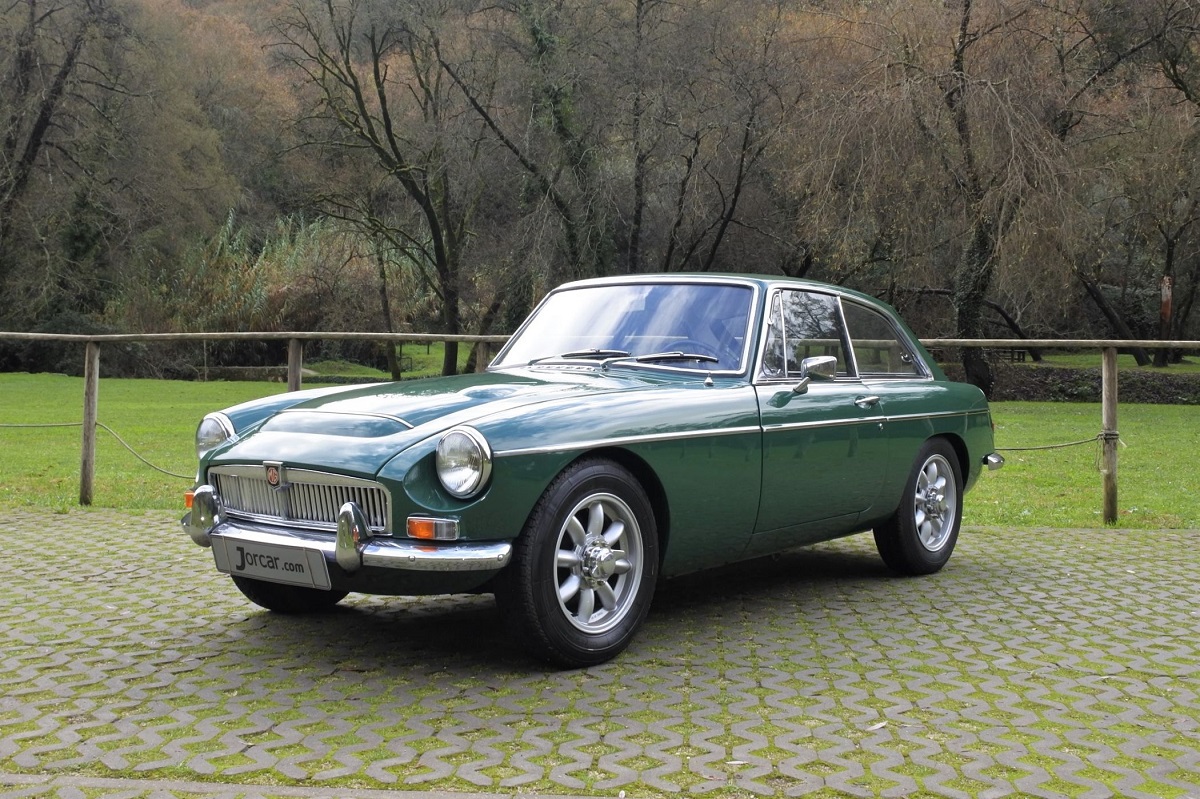
The MGC – A sports car in search of an engine
The history of the MGC is full of “what could have been…” possibilities. For all its good and not-so-desirable points, the MGC is probably best described as a sports car that needs more development time before it's sold to the general public.
No doubt the heir to the throne of Great Britain, Prince Charles, would disagree with that, as would his son Prince William, who received the MGC from his father after Prince Charles had happily used it for over three decades. But while Prince Charles appreciated his MGC, it was a car that Donald Healey so abhorred that he adamantly refused to allow the British Motor Corporation to enter it as an Austin-Healey, despite the fact that they had already done the same thing. with the MG Midget which was essentially an Austin-Healey Sprite.
MGC Roadster
So how did MGC somehow defy the odds against it and make it to the production line? Paradoxically, our story doesn't begin at MG, but at Donald Healey's workshop and the development of a successor to the much loved and beautiful Austin-Healey 3000, and it begins with the search for a new engine for that car.
ADS
The Austin-Healey 4000
The most important market for British sports cars was undoubtedly the United States. American customers wanted cars that looked great and handled well, although it's true that they generally preferred sleek, sleek sports cars over light, bright, and Spartan cars.
With that in mind, in the mid-1960s, Donald Healey set about creating his next model of the "Big Healey", widening the car's chassis so that he could fit a Rolls-Royce 4-liter inline-six engine in it. . It would kill a few birds with one stone: it would create a car that retained the classic beauty of the Austin-Healey 3000 Mk.III, but which had more interior space, more power and which would wear a prestigious Rolls-Royce badge.
This would have been a movie star car that put together a package that the British were confident the Americans would love. Not only that, but BMC had committed to buying significant quantities of that 4 liter Rolls-Royce engine for its Vanden Plas Princess 4 Liter R luxury car, and sales of that car were disappointing, so BMC was looking for a vehicle to put in the surplus engines it had promised to buy, and the luxurious Austin-Healey 4000 was created to be that vehicle.
Austin-Healey 4000
Image above: an Austin Healey 4000 prototype
Changes to US vehicle safety standards announced in September 1966 to take effect January 1, 1968 killed this idea because the Austin-Healey designed in 1950 could not meet them, so the Austin-Healey 4000 design was scrapped. with only three prototypes being built, two being fitted with three-speed Borg-Warner automatic gearboxes, like those used in the Vanden Plas Princess 4 Liter R, and one with a four-speed manual gearbox with overdrive.
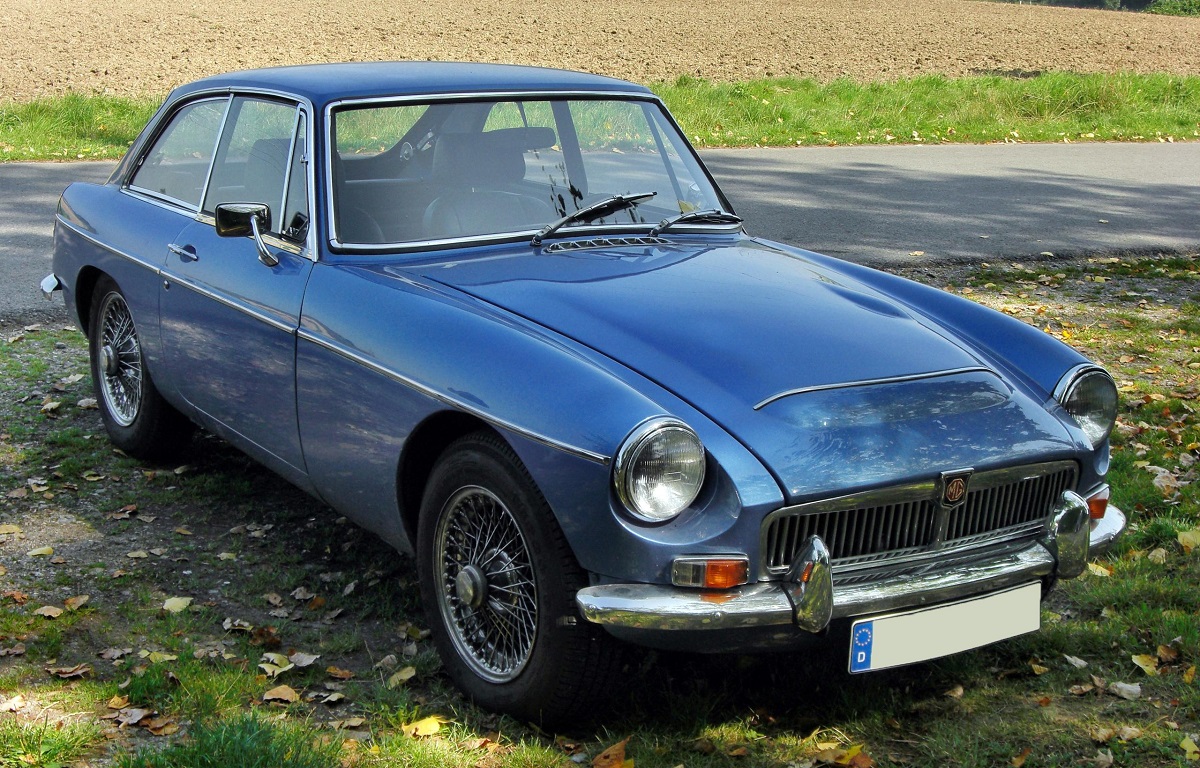
The MGC could have been a V8
While the Austin-Healey 3000 was a body-on-frame design, the MGB was designed as a unibody, with the ability to meet US safety regulations. So it was natural to think of fitting a 3-liter six-cylinder engine into the MGB to build a car that would be a more modern replacement for the Austin-Healey 3000. The only problem was that the MGB had been designed around a four cylinders and would need some significant tweaking to fit a physically longer and heavier inline six on it.
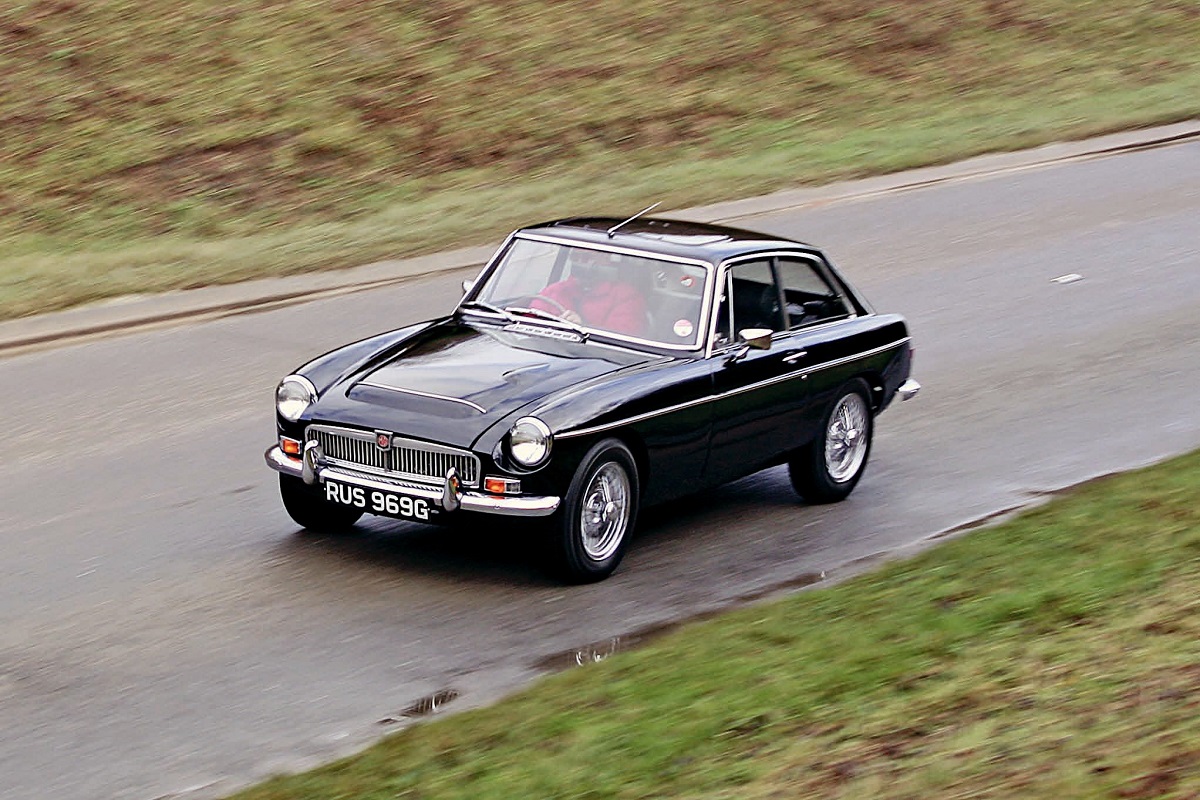
There was one alternative in the BMC engine arsenal that seems not to have been considered, an engine that in all likelihood would have made a superbly powerful MG, and that was the Edward Turner designed V8 that was being used in the Daimler SP250 sports car. and the Daimler V8 250. That engine produced 140 bhp at 5,800 rpm and made the SP250 sports car so fast that British police bought some to catch speeding motorcyclists in their café racers.
This engine was manufactured in two sizes, a 2.5 liter used in the SP250 sports car and 250 V8 sedan (sedan), and a 4.5 liter used in the Daimler Majestic Major DQ450 luxury car and DR450 limousine. The 2.5 liter V8 would have been the only one for the MG, it was only slightly heavier than the 390 lb 1.8 liter four cylinder engine used in the MGB, the V8 engine weighing in at 419 lb excluding the flywheel and While it was slightly heavier than the four, it was much lighter than the 553-lb in-line six that was eventually fitted to the MGC. Not only that, but it was a V8, and if you're trying to appeal to Americans, a V8 is a nice feature to have.
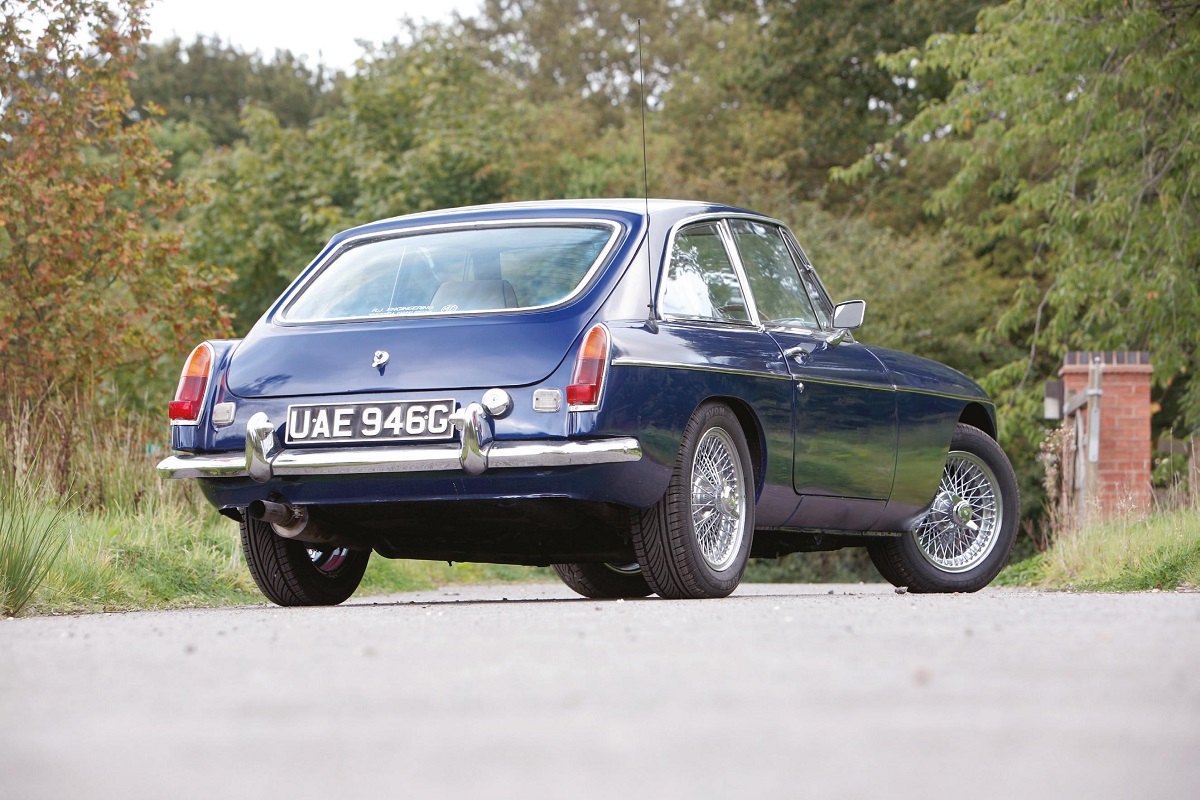
The Edward Turner V8 engine would have an added advantage, being physical.


 LINKS E SITES IMPORTANTES


